






Imagine this: you’re driving, and suddenly another car hits you and speeds away without stopping. What do you do next?
If you find yourself in a hit-and-run accident, the steps you take right after can make all the difference in getting your claim approved and receiving the compensation you deserve. Navigating the hit and run claim process might feel overwhelming, but you don’t have to face it alone.
You’ll learn exactly what to do—from contacting the police to working with your insurance company—so you can protect your rights and move forward with confidence. Keep reading to find out how to handle a hit-and-run claim the right way and avoid costly mistakes that could slow down your recovery.
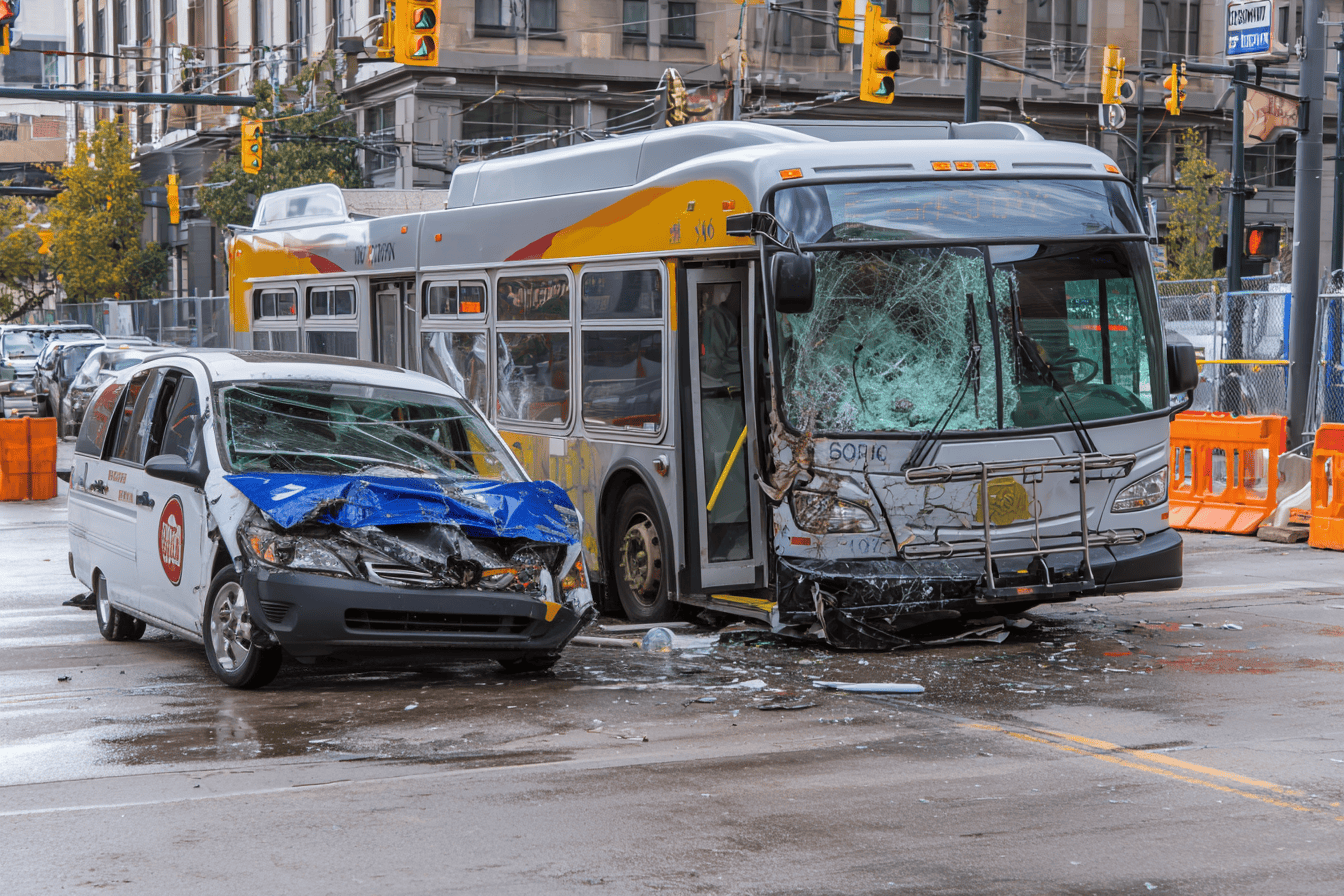
Immediate Actions After The Accident
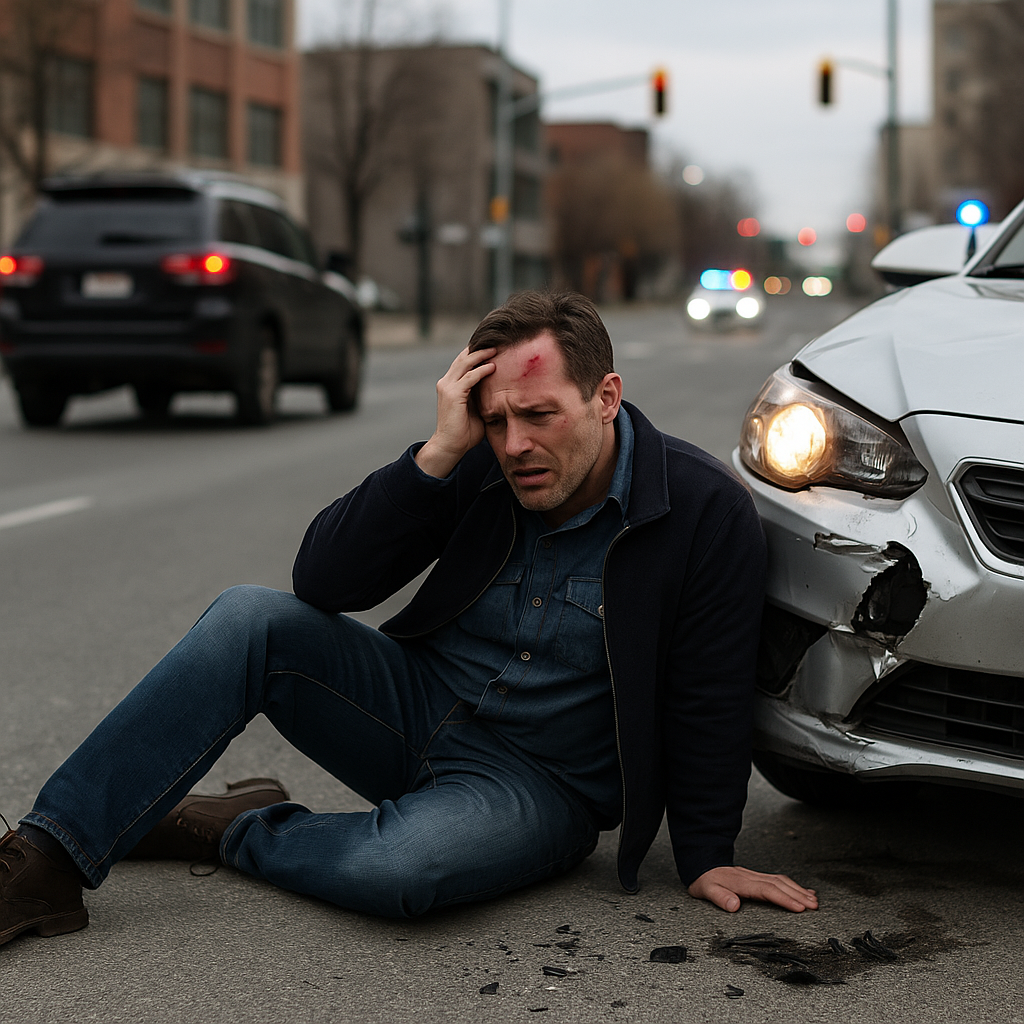
First, move to a safe place if possible. Check yourself and others for any injuries. Call emergency services right away if anyone needs help.
Next, call the police to report the accident. A police report is important for your claim and legal protection. Give clear details about what happened but avoid guessing.
Try to collect evidence at the scene. Take photos of the damage, the road, and any skid marks. Write down the time, place, and weather conditions.
Look for witnesses and ask for their contact information. Their statements can support your case later.
Reporting The Hit And Run
Notify your insurance company quickly after the hit and run accident. Call your insurer and explain the situation clearly. Provide all details such as time, place, and damage. This helps start the claim process without delay.
Provide detailed information to adjusters. Share facts you remember, like the car’s color, model, or license plate if possible. Mention any witness names or contact info. Accurate details help adjusters assess your claim better.
Avoid common mistakes when speaking to insurers. Do not guess or guess about facts. Keep answers short and truthful. Avoid admitting fault or blaming others. Focus on what you know for sure. This protects your claim from being denied.
Insurance Coverage For Hit And Run
Uninsured motorist coverage helps if the other driver runs away. It covers injuries and damages caused by a hit and run. This coverage is part of many auto insurance policies.
Your policy usually covers:
- Medical bills for you and passengers
- Car repair costs
- Lost wages if you miss work
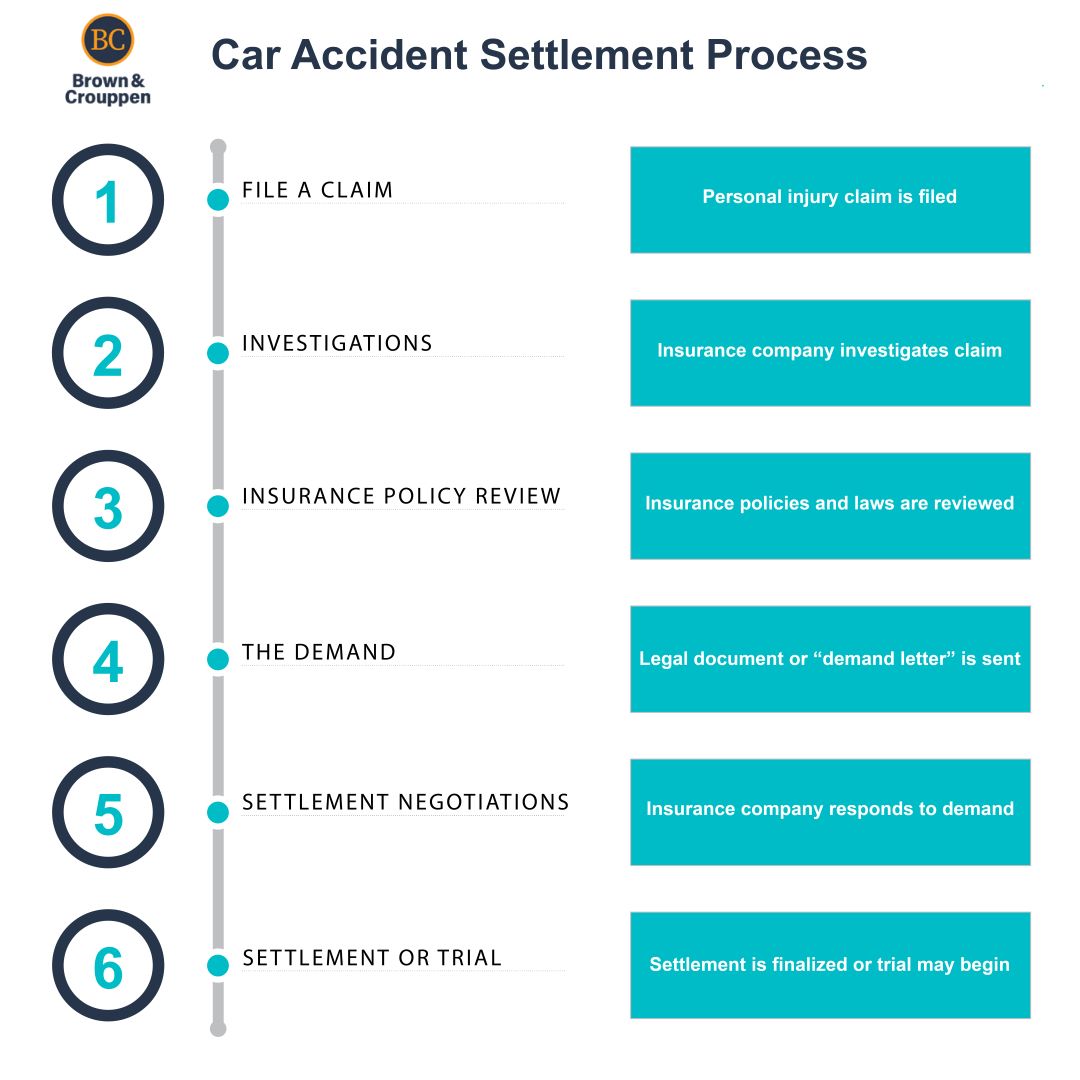
To file a claim without the other driver’s info, report the accident to the police first. Then, contact your insurance company with the police report and any evidence you have, like photos or witness details. Your insurer will guide you through the next steps. Keep all documents safe and be honest about what happened.
Building Your Claim
Collect all medical bills and repair receipts related to the accident. These documents prove your expenses and injuries. Keep copies of doctor’s notes and repair estimates. They help show the full impact of the crash.
Write down any lost wages if you missed work. Include costs for car rentals or taxis while your car is fixed. These financial losses are part of your claim.
Save all letters, emails, and messages from your insurance company or other parties. A clear paper trail of communication helps track your claim progress and supports your case if disputes arise.
Legal Options And Support
Consulting a personal injury lawyer is wise after a hit-and-run accident. Legal experts can explain your rights clearly and guide you through the claim process. They help gather evidence and build a strong case. Lawyers also communicate with insurance companies on your behalf, reducing stress.
| Possible Compensation Types | Description |
|---|---|
| Medical Expenses | Covers hospital bills, therapy, and medication costs. |
| Lost Wages | Compensates for time missed at work due to injury. |
| Property Damage | Reimburses repair or replacement of damaged vehicle or belongings. |
| Pain and Suffering | Compensation for physical pain and emotional distress. |
Dealing with uncooperative insurance companies can be frustrating. They may delay or deny claims unfairly. Keep all documents and records organized. Stay calm and persistent. A lawyer can negotiate with insurers to get fair compensation.
After The Claim: What To Expect
The claim investigation process starts once you file your claim. Insurance adjusters will review your report, photos, and any witness statements. They may also check police records and traffic cameras. This helps them verify the facts and decide on your claim.
The timeline for compensation varies. Usually, it takes a few weeks to a couple of months. Delays can happen if more information is needed or if the case is complex. Staying in touch with your insurer helps speed things up.
| Step | Action |
|---|---|
| 1 | Police find the hit-and-run driver |
| 2 | Driver may face legal charges |
| 3 | Your insurer is informed about the driver |
| 4 | Insurance adjusts your claim accordingly |
| 5 | Compensation may increase or be redirected |
Frequently Asked Questions
How Does Insurance Handle Hit-and-run Claims?
Insurance covers hit-and-run claims through your uninsured motorist or collision coverage. Report the accident and file a police report quickly. Provide detailed information to your insurer for faster claim processing. Coverage depends on your policy terms and state laws.
What Should You Not Say To A Claims Adjuster?
Avoid admitting fault or making guesses about the accident. Do not provide inconsistent or exaggerated statements. Never lie or withhold information from the claims adjuster. Keep answers clear, honest, and concise to protect your claim’s validity.
What Is The Compensation For Hit-and-run?
Compensation for hit-and-run depends on your insurance coverage, like uninsured motorist or collision. File a police report and notify your insurer promptly to start the claim process.
What Percent Of Hit-and-run Cases Get Solved?
Approximately 20% to 30% of hit-and-run cases get solved. Success rates vary by location and available evidence.
Conclusion
Dealing with a hit and run can feel overwhelming and confusing. Act quickly by reporting the accident to the police and your insurance company. Keep all documents and evidence safe for your claim. Understanding the process helps you protect your rights and get fair compensation.
Stay calm and follow each step carefully. Remember, support is available to guide you through this difficult time. Taking these actions improves your chances of a successful claim resolution.
Read More
- Compare Comprehensive Car Cover: Ultimate Guide to Smart Protection
- Family Car Insurance Discount: Save Big with These Proven Tips
- Low Mileage Auto Insurance Rates: Save Big with Smart Discounts
- Roadside Assistance Insurance Plans: Essential Coverage for Peace of Mind
- Affordable Vehicle Insurance Quotes: Save Big with Top Tips Today
- Paint Protection Film Cost: Ultimate Guide to Affordable Shielding
- Wheel And Tire Protection Plan: Ultimate Coverage for Peace of Mind
- Windshield Protection Insurance: Ultimate Guide to Save & Secure
- Vehicle Theft Protection Coverage: Ultimate Guide to Secure Your Car
- Powertrain Warranty Coverage: Ultimate Protection for Your Vehicle