





Are you driving fewer miles than most people? If so, you could be missing out on big savings with low mileage auto insurance rates.
Paying for insurance based on how much you actually drive makes sense — after all, the less time you spend on the road, the lower your risk of accidents. But how do you find these special rates? And what counts as “low mileage” anyway?
You’ll discover how your driving habits can unlock cheaper insurance premiums, which companies offer the best deals, and simple tips to lower your costs even more. Keep reading to learn how you can turn your low mileage into real savings on your next auto insurance bill.
Low Mileage Defined
Low mileage means driving fewer miles than average each year. Most insurers set limits to decide who qualifies. Typical annual mileage thresholds are:
| Annual Miles Driven | Example Threshold |
|---|---|
| 0 to 7,500 miles | Considered low mileage |
| 7,501 to 10,000 miles | Still low, but higher range |
| 10,001 to 15,000 miles | Average mileage range |
| 15,001+ miles | High mileage |
Low mileage drivers often pay less for insurance. Driving fewer miles means less chance of accidents. Most insurance companies use mileage to adjust rates. This helps safe, low-mileage drivers save money.
How Low Mileage Cuts Costs
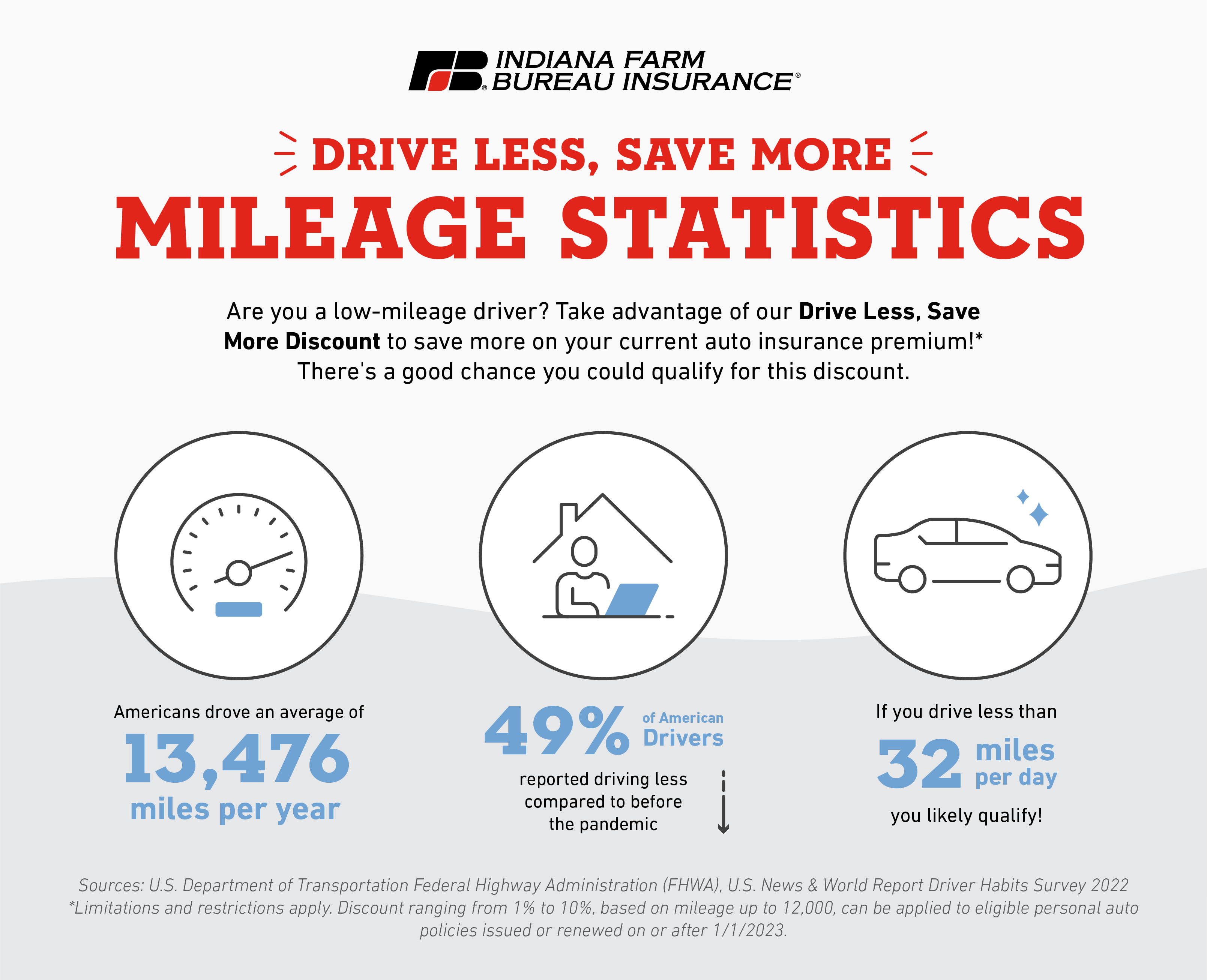
Driving fewer miles each year means less chance of accidents. This lowers your risk profile. Insurance companies see drivers who travel less as safer bets. They often charge lower premiums for these drivers.
Lower mileage usually means fewer claims. This makes insurance cheaper. Some companies offer special discounts for low mileage drivers. These can include pay-per-mile plans or usage-based insurance. Paying for insurance based on how much you drive saves money.
Insurers use mileage data to adjust prices. The less you drive, the less you pay. This is because driving less reduces the chance of damage or injury. Safer drivers mean fewer payouts for insurers. This is why premiums drop with low mileage.
Types Of Low Mileage Discounts
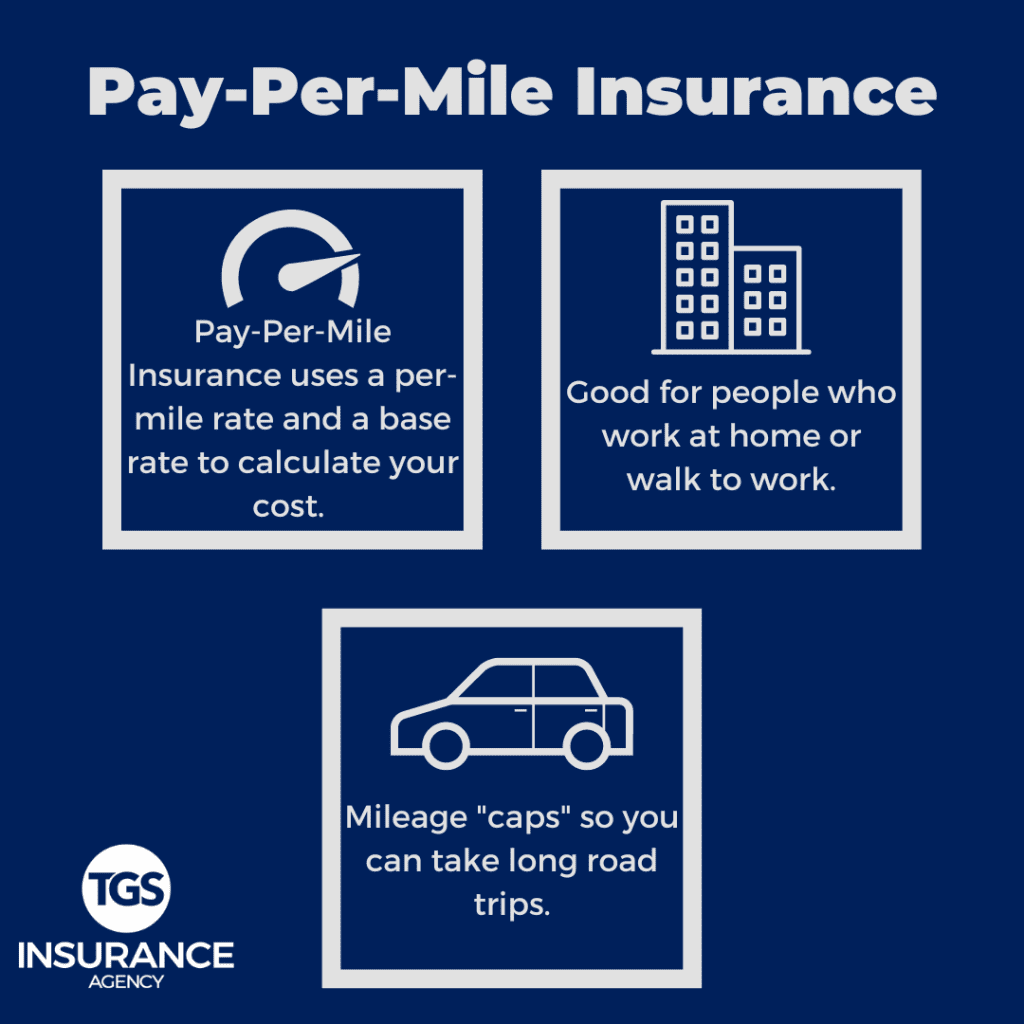
Pay-per-mile insurance charges you based on the exact miles you drive. It suits people who drive very little each year. This type can save money for those with low usage.
Usage-based insurance uses a device or app to track driving habits. Safer drivers with fewer miles get discounts. It rewards careful and low-mileage drivers.
Mileage-based discounts offer lower rates if you drive less than a set amount annually. Insurers often set limits like 7,500 or 10,000 miles per year. The fewer miles driven, the bigger the discount.
Top Insurers For Low Mileage Drivers
GEICO and USAA offer some of the most affordable rates for low mileage drivers. These companies provide special discounts for those who drive less than the average miles each year. SmartMiles is a unique program that bases your insurance cost on the miles you actually drive. This means you pay less if you drive fewer miles. Many drivers save money by choosing pay-per-mile or usage-based insurance plans. These programs track your driving and adjust rates accordingly. Both GEICO and USAA have good reputations for customer service and reliable coverage. Choosing an insurer with a low mileage discount can lead to significant savings. It is important to compare offers before deciding. Low mileage drivers often qualify for these special programs automatically or after a simple sign-up process.
How To Qualify For Discounts
Tracking your mileage is essential to qualify for low mileage auto insurance discounts. Many insurers require you to report your annual miles driven accurately. Some use apps or devices to track mileage automatically, while others ask for a simple odometer reading at policy renewal.
Reporting requirements vary by company. Some ask for mileage updates every six months, others only once a year. Accurate reporting helps avoid penalties or losing your discount. Keep a log or use a tracking app to stay organized.
Remember, driving fewer miles usually means lower risk and can reduce your premium. Stay honest and up-to-date with your mileage reports to enjoy the savings.
Who Benefits Most
Seniors often benefit from low mileage auto insurance rates. They typically drive fewer miles, lowering their accident risk. Insurance companies reward this by offering lower premiums.
Occasional commuters also gain savings. They drive only part-time or short distances, which reduces their yearly mileage. This low usage can lead to discounts.
Low mileage drivers usually have safer driving records. Less time on the road means fewer chances for accidents. Insurance providers see this as less risk and adjust rates accordingly.
Tips To Maximize Savings
Combining discounts is one of the easiest ways to save on auto insurance. Look for savings like low mileage discounts, multi-policy deals, or safe driver rewards. Each discount adds up and reduces your total cost.
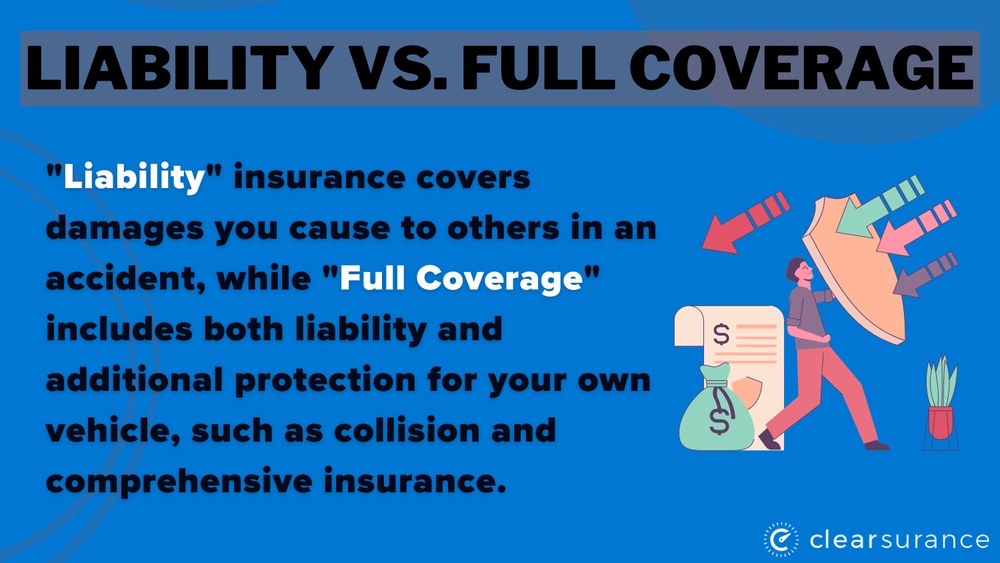
Choosing the right coverage means not paying for extra protection you don’t need. Consider your car’s value and how often you drive. Basic liability may be enough if your car is older and you drive less.
Regularly review your policy every year. Insurance needs change over time. Check if you still qualify for discounts or if better deals exist. Updating your policy can lead to more savings.

Frequently Asked Questions
How Much Is Low Mileage Car Insurance?
Low mileage car insurance typically costs between $1,222 and $1,327 annually. Rates vary by miles driven and insurer.
What Is Considered Low Mileage For Auto Insurance?
Low mileage for auto insurance typically means driving fewer than 7,500 to 10,000 miles annually. Lower miles often lead to lower premiums.
Does Geico Give A Low Mileage Discount?
Yes, GEICO offers a low mileage discount through its pay-per-mile insurance program called DriveEasy. It rewards drivers who drive fewer miles with lower premiums.
Are Lower Mileage Cars Cheaper To Insure?
Lower mileage cars often cost less to insure due to reduced accident risk. Insurers may offer mileage-based discounts or pay-per-mile plans.
Conclusion
Choosing low mileage auto insurance can save you money each year. Driving fewer miles means less chance of accidents. Insurance companies often offer discounts for low-mileage drivers. Comparing different plans helps find the best rate. Always check if your insurer rewards low mileage.
This small change can lower your insurance cost. Staying aware of your driving habits pays off. Keep your annual miles low to enjoy savings. Low mileage insurance is smart for careful drivers.
Read More
- Compare Comprehensive Car Cover: Ultimate Guide to Smart Protection
- Family Car Insurance Discount: Save Big with These Proven Tips
- Roadside Assistance Insurance Plans: Essential Coverage for Peace of Mind
- Affordable Vehicle Insurance Quotes: Save Big with Top Tips Today
- Paint Protection Film Cost: Ultimate Guide to Affordable Shielding
- Wheel And Tire Protection Plan: Ultimate Coverage for Peace of Mind
- Windshield Protection Insurance: Ultimate Guide to Save & Secure
- Vehicle Theft Protection Coverage: Ultimate Guide to Secure Your Car
- Powertrain Warranty Coverage: Ultimate Protection for Your Vehicle
- Certified Used Car Warranty: Ultimate Protection for Peace of Mind