






Thinking about buying a certified used car? You want a vehicle that feels like new but costs less—and most importantly, gives you peace of mind.
That’s where a Certified Used Car Warranty steps in. It’s not just a fancy label; it’s your safety net against unexpected repairs and costly surprises. But what exactly does this warranty cover? How does it protect your investment? And is it really worth the extra cost?
Keep reading to uncover the truth about certified used car warranties and learn how to make the smartest choice for your next ride. Your wallet—and your confidence—will thank you.
What Is A Certified Used Car Warranty?
A certified used car warranty protects buyers from unexpected repair costs. It covers parts and labor for certain problems. These warranties come from two main sources: the manufacturer or a third-party company.
Manufacturer warranties are often included with certified pre-owned cars. They usually last longer and cover more parts. The coverage often starts from the car’s original purchase date or the certification date.
Third-party warranties are sold separately. They may have different terms and limits. Some offer shorter coverage but can be cheaper. It is important to read the terms carefully.
| Warranty Type | Coverage Length | Coverage Limits |
|---|---|---|
| Manufacturer | 1 to 7 years, or more miles | Usually broad, covers major systems |
| Third-Party | Varies: months to years | May limit coverage to specific parts |
Benefits Of Certified Used Car Warranties
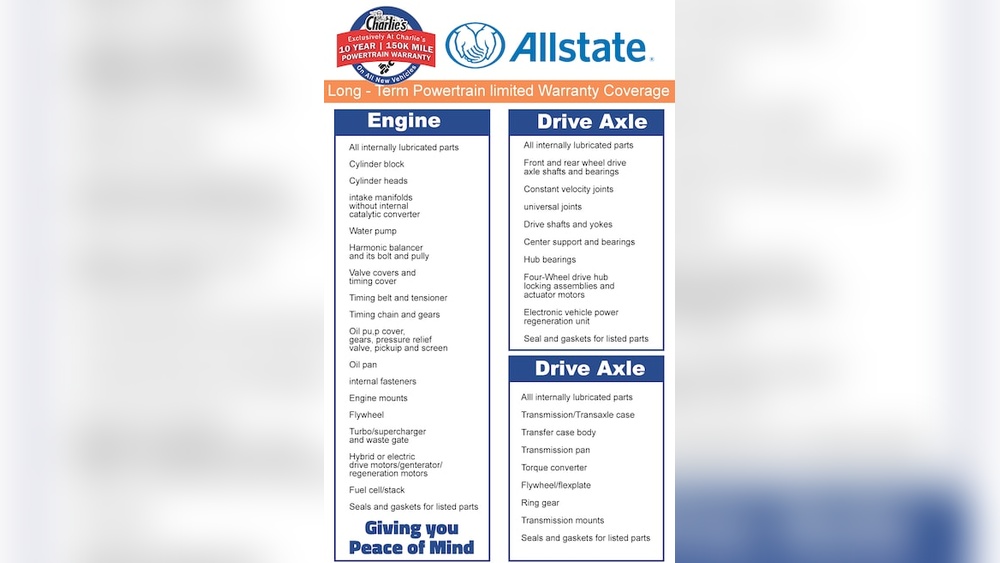
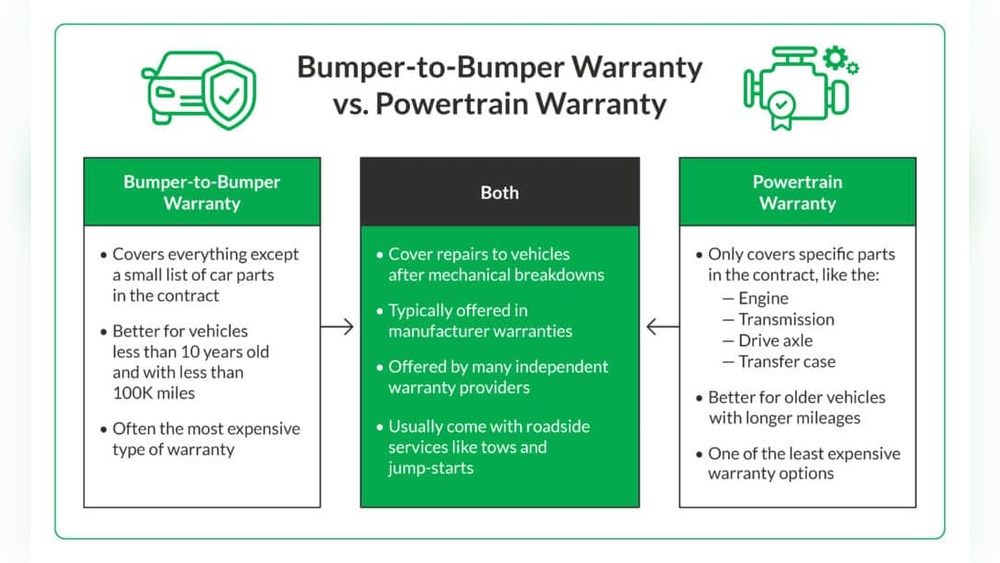
Extended powertrain protection covers key parts like the engine and transmission. This helps avoid costly repairs over time. The warranty usually lasts several years or many miles, giving peace of mind.
Roadside assistance and maintenance often come with certified used car warranties. This means help is available if the car breaks down. Some plans also include free oil changes or tire rotations, which saves money and time.
Higher vehicle quality standards mean certified cars must pass strict inspections. Only cars in good condition get certified. This lowers the risk of buying a car with hidden problems.
Comparing Certified And Non-certified Used Cars
Certified used cars usually cost more than non-certified ones. This is because they go through a thorough inspection and reconditioning process. The dealer fixes any problems before selling. Non-certified cars may have hidden issues that cost money later.
The inspection for certified cars covers many parts like engine, brakes, and tires. It makes sure the car is in good shape. Non-certified cars do not have this guarantee, so buyers take a bigger risk.
| Feature | Certified Used Cars | Non-Certified Used Cars |
|---|---|---|
| Inspection | Detailed, multi-point check | Limited or none |
| Reconditioning | Repairs and fixes included | Depends on seller |
| Warranty | Manufacturer-backed, often 1-5 years | Usually none or limited |
| Cost | Higher price | Lower price |
Warranty coverage on certified cars often includes powertrain and other major parts. Non-certified cars rarely come with such warranties. This coverage offers peace of mind and protects buyers from big repair bills.
Top Brands With The Best Certified Warranties
Mazda’s Certified Pre-Owned warranty includes an extended bumper-to-bumper coverage for 7 years or 100,000 miles. This coverage protects most parts of the vehicle from defects. The warranty starts from the original new car purchase date, offering long-term peace of mind.
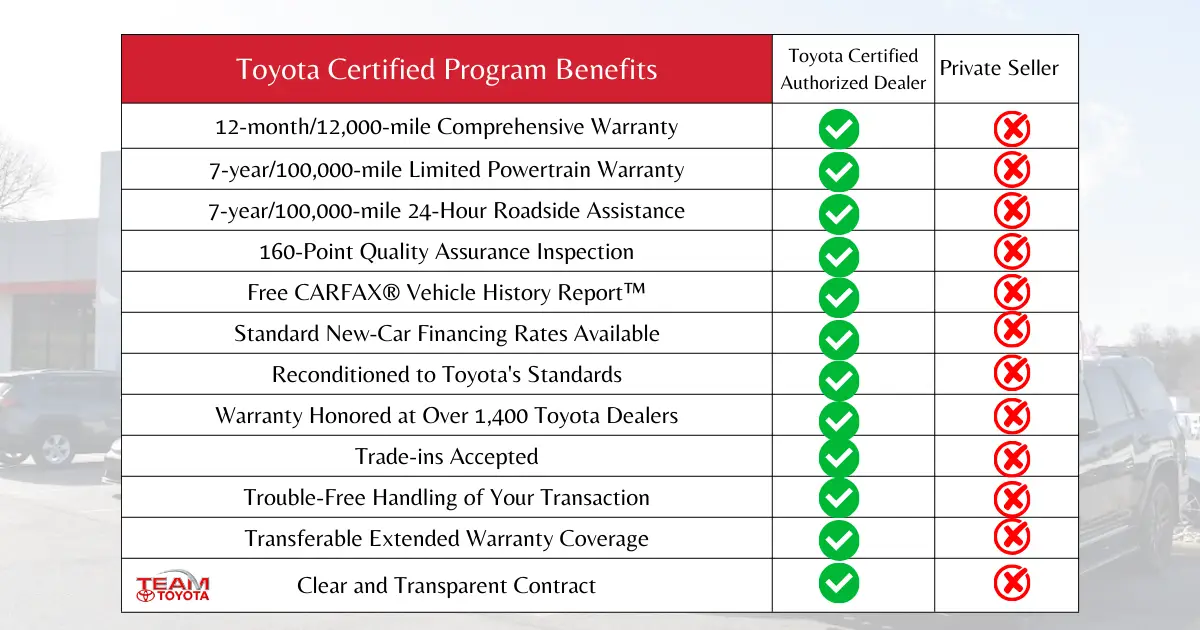
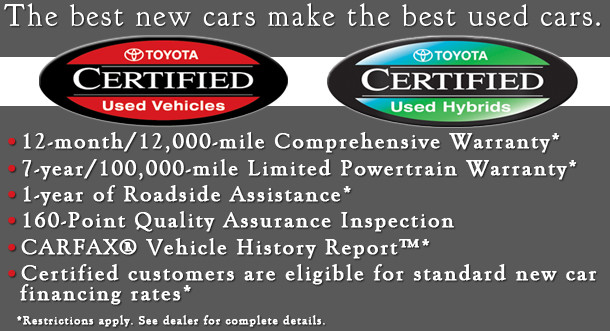
Toyota’s Gold Certified Warranty covers 12 months or 12,000 miles of comprehensive repairs. The Silver Certified Warranty offers 6 months or 6,000 miles of coverage. Both include roadside assistance and a free vehicle history report. Toyota’s program ensures thorough inspection and quality.
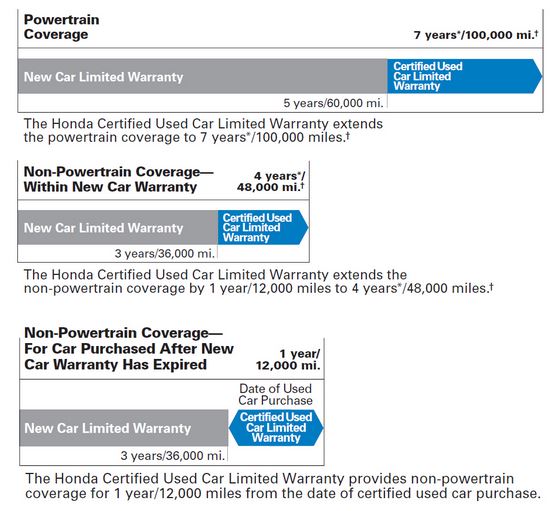
Honda’s Certified Warranty provides 7 years or 100,000 miles of powertrain coverage. It also includes 12 months or 12,000 miles of limited bumper-to-bumper coverage. GM Certified offers similar coverage with roadside assistance and a 12-month/12,000-mile bumper-to-bumper limited warranty.
Common Warranty Features And Exclusions
Certified used car warranties usually cover major repairs like engine, transmission, and drivetrain parts. They often include powertrain components since these are costly to fix. Some warranties also cover electrical systems and air conditioning.
Typical exclusions are wear-and-tear items such as brake pads, tires, and windshield wipers. Damage from accidents, misuse, or lack of maintenance is not covered. Cosmetic issues like scratches or dents are also excluded.
Coverage periods often start either from the car’s original purchase date or from the certified purchase date. Some warranties are based on mileage limits, such as 60,000 miles or 100,000 miles. The exact starting point depends on the manufacturer or dealer policy.
How To Verify Warranty Validity
Check if the warranty is backed by the car manufacturer. Manufacturer-backed warranties offer more trust and coverage. Ask the dealer for official warranty documents. Verify the warranty details on the manufacturer’s website using the vehicle identification number (VIN).
Get an independent mechanical inspection before finalizing the purchase. A trusted mechanic can spot hidden issues and confirm the car’s condition. This helps avoid unexpected repair costs later.
- Watch out for scams by confirming warranty claims in writing.
- Beware of vague or misleading offers that sound too good to be true.
- Always read the fine print to understand what is and isn’t covered.
Additional Protection Options
Dealer service contracts often cover repairs beyond the factory warranty. These contracts are sold by the dealer and can be tailored to your needs. They may include scheduled maintenance and repairs for parts like brakes and transmission.
Third-party extended warranties come from companies not affiliated with the car maker. They can offer similar or broader coverage than dealer contracts. Always check the company’s reputation and read the terms carefully.
Roadside assistance plans help if your car breaks down. Services include towing, battery jump-start, and flat tire changes. These plans provide peace of mind during unexpected situations on the road.
Is A Certified Used Car Warranty Worth It?
Certified used car warranties offer peace of mind by covering many repairs. They often include powertrain protection for several years and thousands of miles. These warranties can save you money on unexpected repairs over time.
Costs for certified warranties vary, but they usually cost more upfront. This extra cost may pay off with fewer repair bills later. It depends on how long you keep the car and how reliable it is.
Non-certified cars may be a better choice for buyers on a tight budget. They cost less but come with higher repair risks. Some buyers prefer to save money initially and handle repairs themselves.
Frequently Asked Questions
Does A Certified Used Car Have A Warranty?
Yes, certified used cars come with a manufacturer-backed warranty. It covers repairs and defects for a set period or mileage. Warranties often include powertrain coverage and roadside assistance. Coverage may start from the original service or purchase date, ensuring added protection and peace of mind.
What Is The $3000 Rule For Cars?
The $3000 rule for cars suggests spending no more than $3,000 on repairs or maintenance annually. This helps keep ownership costs manageable and protects your budget.
Which Certified Used Car Has The Best Warranty?
Mazda offers one of the best certified used car warranties, often exceeding new car coverage. Toyota and Honda also provide strong CPO warranties with powertrain and roadside assistance included.
How Long Is Cpo Good For?
Certified Pre-Owned (CPO) warranties typically last 3 to 7 years or 36,000 to 100,000 miles from the original purchase date. Warranty coverage varies by manufacturer and model. Always check specific terms before buying to understand how long the CPO protection lasts.
Conclusion
Choosing a certified used car warranty gives you added peace of mind. It covers many repairs and defects for a set time. You avoid unexpected costs with this protection. Certified warranties often come from the manufacturer directly. This means better reliability and service quality.
Always read the warranty details carefully before buying. A good warranty helps protect your investment. It makes buying a used car safer and smarter. Consider the warranty as part of your car’s value. Safe driving starts with smart choices like this.
Read More
- Compare Comprehensive Car Cover: Ultimate Guide to Smart Protection
- Family Car Insurance Discount: Save Big with These Proven Tips
- Low Mileage Auto Insurance Rates: Save Big with Smart Discounts
- Roadside Assistance Insurance Plans: Essential Coverage for Peace of Mind
- Affordable Vehicle Insurance Quotes: Save Big with Top Tips Today
- Paint Protection Film Cost: Ultimate Guide to Affordable Shielding
- Wheel And Tire Protection Plan: Ultimate Coverage for Peace of Mind
- Windshield Protection Insurance: Ultimate Guide to Save & Secure
- Vehicle Theft Protection Coverage: Ultimate Guide to Secure Your Car
- Powertrain Warranty Coverage: Ultimate Protection for Your Vehicle