






When it comes to protecting your vehicle, understanding your powertrain warranty coverage is key. You rely on your car every day, and knowing what parts are covered can save you from unexpected repair costs.
But what exactly does a powertrain warranty cover, and how does it work? If you’ve ever wondered whether your engine, transmission, or other vital components are protected, this guide is for you. Keep reading to discover the essentials of powertrain warranty coverage, what’s included and excluded, and why it matters for your peace of mind on the road.
Powertrain Components Covered
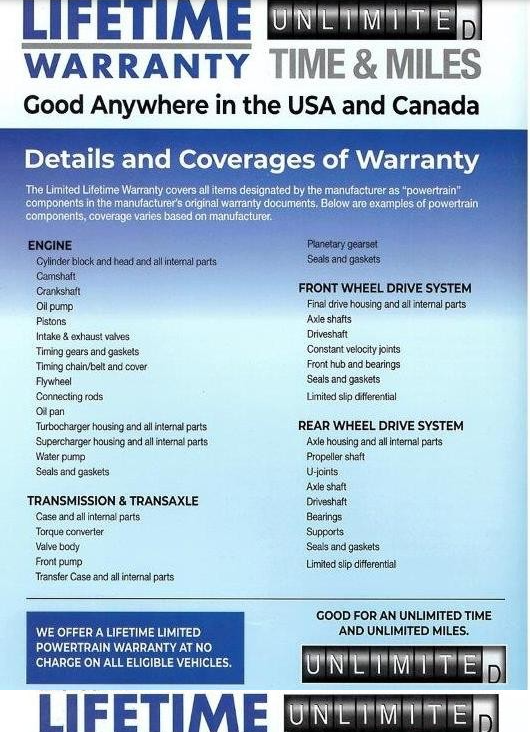
Engine parts covered in a powertrain warranty include the engine block, cylinder head, oil pan, and water pump. Internal lubricated parts like pistons, valves, and camshafts also fall under this coverage. The timing chain or belt is included as well. These components are essential for your vehicle’s engine to run smoothly.
The transmission coverage protects all internal parts of automatic, manual, or CVT transmissions. This includes the torque converter and all seals. Transmission problems can be costly, so this coverage helps reduce repair expenses.
Drivetrain elements covered often include drive shafts, axles, the transfer case, differentials, and the drive box. These parts work together to deliver power from the engine to the wheels. Protecting them ensures your vehicle keeps moving efficiently.
Items Not Covered
Wear and tear parts are not covered under a powertrain warranty. Items like brake pads, clutches, spark plugs, drive belts, and filters wear out over time and need regular replacement.
Electronics and accessories such as infotainment systems, climate controls, sensors, and wiring fall outside powertrain coverage. These usually have separate warranties or are covered under bumper-to-bumper plans.
Fluids and routine maintenance costs are the owner’s responsibility. This includes oil changes, coolant top-offs, and other fluid refills. Regular upkeep keeps the vehicle running but is not included in the warranty.
Coverage Duration And Limits
Powertrain warranties usually last between 5 to 10 years or 60,000 to 100,000 miles. Some manufacturers offer shorter or longer periods depending on the car model. Mileage limits are a key factor; once exceeded, coverage ends even if the time limit is not reached.
Different car makers have varied warranty terms. For example, some offer 7 years/70,000 miles, while others provide 10 years/100,000 miles. It’s important to check each manufacturer’s policy carefully before buying.
| Manufacturer | Warranty Length | Mileage Limit |
|---|---|---|
| Ford | 5 years | 60,000 miles |
| Toyota | 8 years | 100,000 miles |
| Honda | 5 years | 60,000 miles |
| Chevrolet | 5 years | 60,000 miles |
How Powertrain Warranties Work
The claim process for powertrain warranties usually starts with contacting the dealer or warranty provider. You must provide proof of maintenance and the issue. A certified mechanic will inspect your vehicle to confirm the problem is covered.
For repair and replacement, covered parts like the engine or transmission are fixed or replaced at no cost. Repairs must be done at authorized service centers to keep the warranty valid. Some parts may be replaced with new or rebuilt components.
| Warranty Voiding Factors | Explanation |
|---|---|
| Improper Maintenance | Skipping oil changes or ignoring service schedules. |
| Unauthorized Repairs | Using non-approved mechanics or parts. |
| Modifications | Changing engine or transmission parts without approval. |
| Accidents or Misuse | Damage caused by crashes or off-road use. |
Benefits Of Powertrain Warranty
Cost savings on repairs come from covering major parts like the engine and transmission. Repairs to these parts often cost thousands. A powertrain warranty helps avoid these big bills. It usually covers the engine block, transmission, drive shafts, and more. This means fewer out-of-pocket expenses for owners.
Vehicle reliability improves because the warranty encourages timely repairs. If a powertrain part breaks, it gets fixed quickly. This keeps the vehicle running smoothly and prevents further damage. Drivers can feel more confident on the road.
Resale value impact is positive. Cars with powertrain warranties often sell for higher prices. Buyers like knowing major parts are protected. This warranty acts like a promise that the vehicle is well maintained. It makes the car easier to sell and worth more money.
Comparing Warranty Types
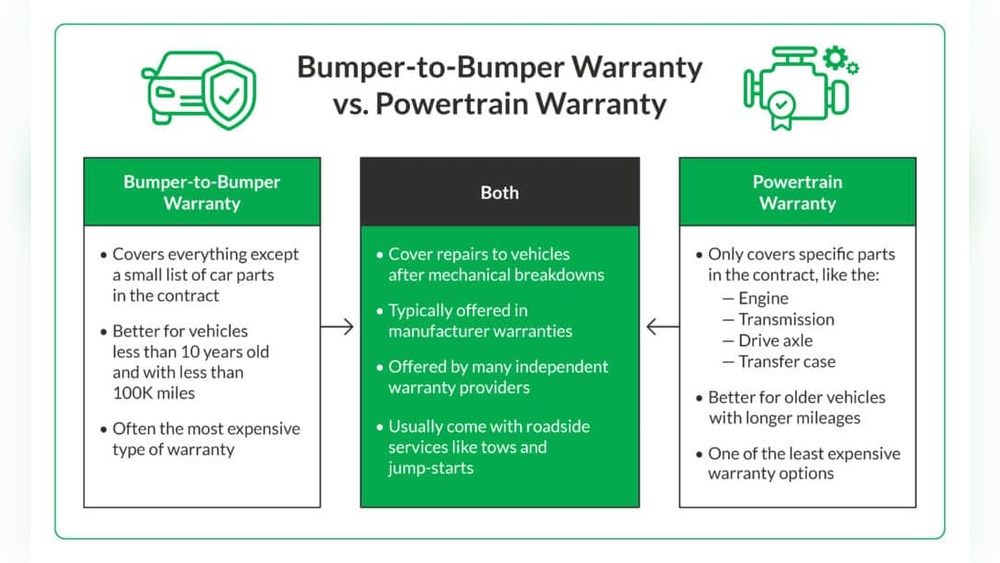
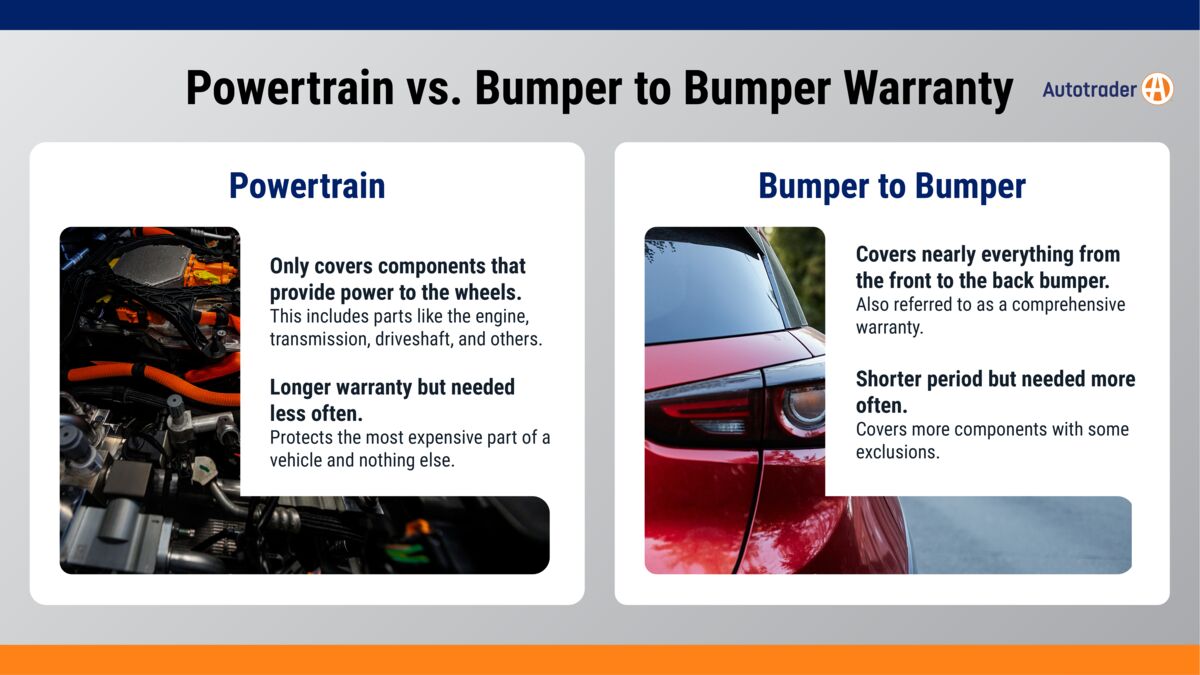
Powertrain warranties cover key parts like the engine, transmission, and drive shafts. They protect only the parts that make your car move. Bumper-to-bumper warranties cover almost everything else, including electronics and accessories.
Extended service contracts offer extra coverage beyond the factory warranty. They can be bought to protect your car longer. These contracts may cover repairs or replacements not included in the original warranty.
Third-party warranty options come from companies outside the car manufacturer. They often provide flexible plans but check their terms carefully. These plans might cover powertrain parts or more, depending on the package.
| Warranty Type | Coverage | Duration | Who Offers |
|---|---|---|---|
| Powertrain | Engine, transmission, drive shafts, axles | 3-10 years or 36,000-100,000 miles | Car manufacturers |
| Bumper-to-Bumper | Almost all vehicle parts except wear items | 2-5 years or 24,000-60,000 miles | Car manufacturers |
| Extended Service Contract | Varies by plan, often powertrain plus extras | Depends on contract | Manufacturers or third parties |
| Third-Party Warranty | Varies widely, powertrain or more | Varies | Independent companies |
Common Powertrain Issues
Engine failures can happen due to overheating, low oil, or worn parts. Engines may lose power or stall suddenly. This often leads to costly repairs or replacements.
Transmission problems include slipping gears, rough shifts, or fluid leaks. These issues make driving difficult and can cause complete transmission failure if ignored.
Drivetrain wear occurs in parts like drive shafts, axles, and differentials. Worn drivetrain components cause vibrations, noise, and poor handling. Regular checks help spot problems early.
Tips For Maximizing Coverage
Regular maintenance keeps your powertrain warranty valid. Follow the service schedule in your owner’s manual. Use the right parts and fluids. Keep all service records safe. These records prove you cared for your vehicle.
Understanding warranty terms helps avoid surprises. Read the warranty booklet carefully. Know what parts are covered and for how long. Learn about mileage limits and exclusions. This knowledge helps you ask the right questions.
Avoiding warranty voids is crucial. Repairs must be done by authorized shops. Using unapproved parts or ignoring recalls can cancel coverage. Don’t modify the powertrain without checking warranty rules. Staying within guidelines keeps your coverage intact.
Frequently Asked Questions
What Is Covered Under A Powertrain Warranty?
A powertrain warranty covers the engine, transmission, drive shafts, axles, transfer case, and differentials. It excludes wear items and electronics.
What Will Void A Powertrain Warranty?
Modifying or misusing the vehicle, neglecting maintenance, using non-approved parts, or damage from accidents void a powertrain warranty.
What Are Common Powertrain Problems?
Common powertrain problems include engine overheating, transmission slipping, faulty drive shafts, and differential issues. Regular maintenance prevents costly repairs.
Is A Powertrain Warranty Worth It?
A powertrain warranty covers key components like the engine and transmission, saving repair costs. It offers peace of mind for expensive mechanical failures.
Conclusion
Powertrain warranty coverage protects your vehicle’s key parts. It covers the engine, transmission, and drivetrain. This coverage helps reduce repair costs on major components. Knowing what is and isn’t covered saves you from surprises. Coverage length varies by manufacturer and vehicle model.
Regular maintenance still remains your responsibility. Choosing the right warranty depends on your driving needs and budget. Understanding powertrain warranties helps you make smart decisions. Keep this knowledge in mind when buying or selling a car. Protect your investment with the right warranty plan.
Read More
- Compare Comprehensive Car Cover: Ultimate Guide to Smart Protection
- Family Car Insurance Discount: Save Big with These Proven Tips
- Low Mileage Auto Insurance Rates: Save Big with Smart Discounts
- Roadside Assistance Insurance Plans: Essential Coverage for Peace of Mind
- Affordable Vehicle Insurance Quotes: Save Big with Top Tips Today
- Paint Protection Film Cost: Ultimate Guide to Affordable Shielding
- Wheel And Tire Protection Plan: Ultimate Coverage for Peace of Mind
- Windshield Protection Insurance: Ultimate Guide to Save & Secure
- Vehicle Theft Protection Coverage: Ultimate Guide to Secure Your Car
- Certified Used Car Warranty: Ultimate Protection for Peace of Mind