





Your wheels and tires take a beating every time you hit the road. From potholes and nails to unexpected debris, damage can happen when you least expect it.
That’s where a Wheel and Tire Protection Plan comes in. It’s designed to save you from costly repairs or replacements, giving you peace of mind no matter where your journey takes you. If you want to protect your investment and avoid surprise expenses, keep reading—this guide will show you exactly how a protection plan can make a difference for you and your vehicle.
What Is A Wheel And Tire Protection Plan?
A Wheel and Tire Protection Plan helps cover the cost of repairing or replacing damaged tires and wheels. It protects against damage caused by road hazards like nails, glass, potholes, and debris. This plan can save money on unexpected repairs that happen during normal driving.
Usually, the plan covers tire punctures, sidewall damage, bent wheels, and cracked rims. Some plans also include mounting, balancing, and alignment services. It offers peace of mind by reducing the worry about costly repairs.
Many vehicle owners in Austin, Texas choose this protection to avoid large bills. It works as an extra layer of security beyond regular car insurance. The plan is often available at the time of vehicle purchase or as a separate service.
Common Road Hazards Covered
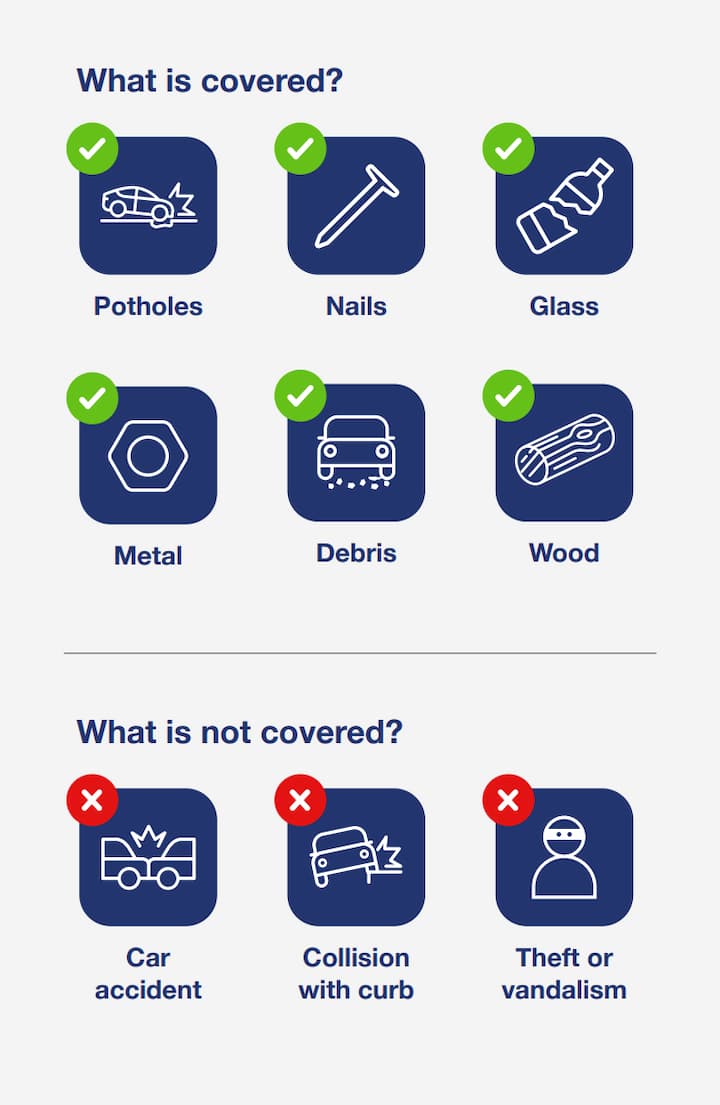
The Wheel and Tire Protection Plan covers many common road hazards. Potholes can cause serious damage to tires and wheels. This plan helps cover repairs from such impacts.
Nails and sharp objects on the road often puncture tires. The protection plan handles costs for fixing these punctures or replacing the tire.
Glass shards and other debris can also harm your tires. Road damage like cracks or bends in wheels is included too. This plan offers peace of mind against these common risks.
Benefits Of Having Coverage
Cost savings on repairs are a major benefit of this coverage. It helps pay for damage caused by nails, potholes, and debris. Repair costs can be expensive without protection. This plan reduces out-of-pocket expenses, making repairs more affordable.
Convenience and quick service come with having this plan. Repairs are often approved faster, so you get back on the road sooner. Many providers have a network of trusted repair shops for easy service. This saves time and hassle during unexpected tire or wheel damage.
Enhanced vehicle longevity is another advantage. Keeping tires and wheels in good condition helps your car perform well. Preventing small damages from worsening extends the life of your vehicle parts. This plan encourages timely repairs, protecting your investment over time.
How Plans Differ Among Providers
Tesla’s Wheel and Tire Protection covers damage from road hazards. It helps with repair or replacement costs for tires and wheels. This plan is specific to Tesla vehicles, offering tailored coverage for their parts.
Allstate Tire and Wheel Coverage protects against damage caused by nails, potholes, and glass. It covers repair or replacement expenses. The plan works with many vehicle brands and focuses on quick claims service.
Good Sam and AutoNation offer protection plans that cover everyday road hazards. Good Sam provides peace of mind for travelers. AutoNation covers damage from debris and potholes, focusing on common road risks.
| Provider | Coverage Focus | Key Features |
|---|---|---|
| Tesla | Tesla vehicles only | Road hazard damage, repair, replacement |
| Allstate | Many vehicle brands | Road hazards, fast claims, repair/replacement |
| Good Sam | Travelers, road hazards | Protection from nails, debris, peace of mind |
| AutoNation | Common road risks | Damage from potholes, nails, debris |
Manufacturer-Specific Plans like Lexus and Chevrolet provide coverage designed for their models. These plans often include extra benefits tailored to the vehicle’s needs.
What’s Typically Included And Excluded
Structural damage repair covers damages to the wheel frame and rim. Most plans fix cracks, bends, or dents caused by road hazards. Repairs usually do not cover damages from accidents or misuse.
Tire replacement policies often pay for new tires if damage is beyond repair. Some plans replace only the damaged tire, while others may cover matching tires. Tire wear or damage from poor maintenance is generally excluded.
| Exclusions and Limitations | Description |
|---|---|
| Wear and Tear | Normal tire wear and aging are not covered. |
| Misuse or Neglect | Damage from improper use or lack of maintenance is excluded. |
| Intentional Damage | Damage caused intentionally is not covered. |
| Accident Damage | Most plans exclude damage from collisions or accidents. |
Cost Factors And Pricing Models
Plan duration usually ranges from 12 to 60 months. Mileage limits vary, often between 12,000 and 75,000 miles. Shorter plans cost less but offer less coverage. Longer plans provide better protection but cost more upfront.
Coverage levels include basic, standard, and premium. Basic covers repair of minor damages like nails or glass. Premium covers replacement and roadside assistance. Deductibles affect the price; lower deductibles mean higher monthly costs.
| Provider | Monthly Cost | Deductible | Coverage Duration |
|---|---|---|---|
| Allstate | $15 – $25 | $50 – $100 | 24 – 60 months |
| Good Sam | $12 – $20 | $75 | 12 – 36 months |
| AutoNation | $10 – $22 | $50 | 12 – 48 months |
How To Choose The Right Plan
Evaluating your driving habits helps to pick the best protection plan. Frequent city driving may cause more tire damage from potholes or debris. Long highway trips might need less coverage but focus on tire wear. Think about how often and where you drive most.
Assessing vehicle type and usage is important. Sports cars and SUVs face different risks. Larger vehicles might need stronger wheel protection. Older cars may not need extensive plans. Consider the size and type of your vehicle carefully.
Reading the fine print avoids surprises later. Check what damages the plan covers. Look for limits on repairs or replacements. Understand any deductibles or fees. Make sure you know how to file a claim and what is excluded.
Real Customer Experiences
Many customers praise the Wheel and Tire Protection Plan for saving them money on repairs. They mention quick claims processing and helpful customer service. Some users share stories about fixing tires after hitting potholes or road debris without extra costs.
Common complaints include delays in claim approval and some confusing terms in the plan. A few users say certain damages were not covered, causing frustration. Others wish for clearer communication about what is included.
- Keep all receipts and repair bills for faster claims.
- Understand the exact coverage limits before buying the plan.
- Check if your tires and wheels meet plan requirements.
- Report damage as soon as possible to avoid claim issues.
Is A Wheel And Tire Protection Plan Worth It?
Weighing Costs Against Benefits helps decide if this plan fits your needs. The plan covers repairs or replacements for tires and wheels damaged by road hazards like nails, glass, or potholes. It can save money on unexpected fixes. But the plan adds extra monthly or yearly fees. Consider how often you drive and where. Frequent city driving or rough roads might justify the cost. If your tires and wheels are new or expensive, coverage could be smart.
When to Consider Skipping Coverage, the plan might not be worth it. If you drive little or on smooth roads, damage chances drop. Also, if you already have good car insurance or roadside assistance, this plan may be extra. Older cars with cheap tires might not need it. Evaluate your risk and budget before deciding.
Long-Term Peace of Mind can be a strong reason to buy. Repairs can be costly and sudden. Having protection means less worry about road damage. It can keep your car safe and maintain its value. This plan offers support for many years if you keep your car long.

How To File A Claim
Gather all documents before filing a claim. This includes your purchase receipt, proof of protection plan, and photos of the damaged tire or wheel. Keep records of any repair estimates or invoices from the shop.
The claim process usually starts by contacting your protection plan provider. Provide your policy number and a clear description of the damage. Follow instructions to submit the required documents online or by mail. A claim number will be assigned to track progress.
During repairs, expect a vehicle inspection by a certified mechanic. They will confirm the damage matches your claim. Repairs may take a few days depending on parts availability. Keep in touch with the service center for updates and final approval.
Frequently Asked Questions
What Is A Wheel And Tire Protection Plan?
A Wheel and Tire Protection Plan covers repair or replacement of damaged tires and wheels. It protects against road hazards like potholes, nails, and debris. This plan offers peace of mind and saves money on unexpected tire and wheel repairs.
Does The Plan Cover All Types Of Tire Damage?
The plan typically covers structural damage caused by road hazards. It excludes normal wear, tire punctures repairable by patching, and cosmetic wheel damage. Coverage details vary by provider, so review terms carefully before purchasing.
How Long Does The Protection Plan Last?
Protection plans usually last from 12 to 60 months, depending on the provider. Coverage duration starts from the vehicle purchase or plan activation date. Some plans offer prorated coverage after the initial period.
Is The Wheel And Tire Protection Plan Worth It?
If you frequently drive on rough or debris-filled roads, the plan can save costly repairs. It offers convenience and financial protection against unexpected tire and wheel damage. Evaluate your driving habits and risk factors before deciding.
Conclusion
Choosing a wheel and tire protection plan helps avoid costly repairs. It covers damage from potholes, nails, and road debris. This plan keeps your vehicle safe and saves money over time. Peace of mind on every drive. Consider it a smart step for any driver.
Protect your wheels and tires today for worry-free travels.
Read More
- Compare Comprehensive Car Cover: Ultimate Guide to Smart Protection
- Family Car Insurance Discount: Save Big with These Proven Tips
- Low Mileage Auto Insurance Rates: Save Big with Smart Discounts
- Roadside Assistance Insurance Plans: Essential Coverage for Peace of Mind
- Affordable Vehicle Insurance Quotes: Save Big with Top Tips Today
- Paint Protection Film Cost: Ultimate Guide to Affordable Shielding
- Windshield Protection Insurance: Ultimate Guide to Save & Secure
- Vehicle Theft Protection Coverage: Ultimate Guide to Secure Your Car
- Powertrain Warranty Coverage: Ultimate Protection for Your Vehicle
- Certified Used Car Warranty: Ultimate Protection for Peace of Mind