



Thinking about protecting your car’s paint but worried about the cost? You’re not alone.
Paint Protection Film (PPF) is a popular choice for keeping your vehicle looking new, but how much should you expect to pay? Understanding the true cost of paint protection film can help you decide if it’s the right investment for your car and your budget.
You’ll discover what affects PPF pricing, why it might be worth every penny, and how to get the best value for your money. Keep reading to make an informed choice that protects your ride and your wallet.

Ppf Basics
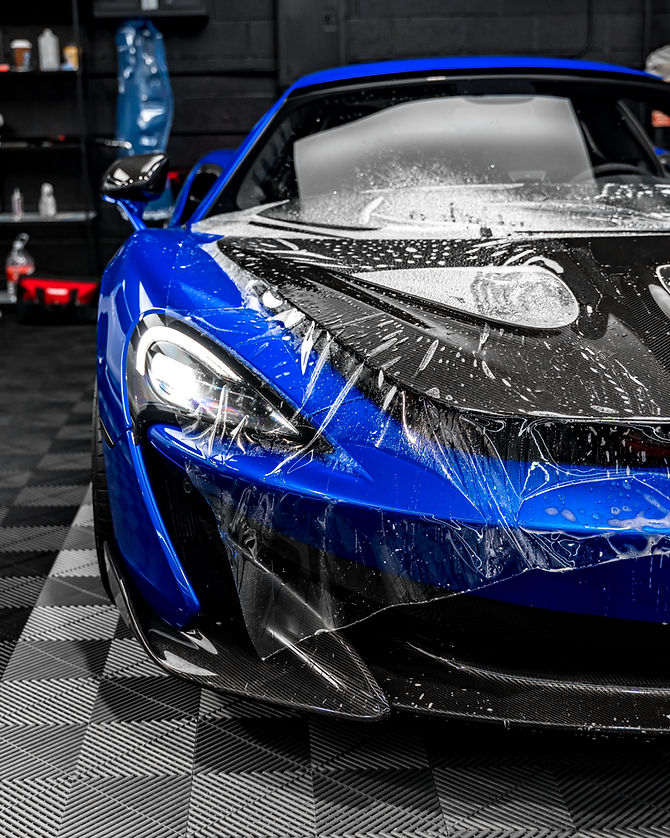
Paint Protection Film (PPF) is a thin, clear layer applied to car paint. It helps protect the paint from scratches, chips, and stains. The film is made of strong plastic that can absorb impacts.
PPF works by acting as a shield. It takes the damage instead of the car’s paint. If small stones or dirt hit the car, the film stops scratches and dents. The film can also fix itself from minor scratches using heat.
| Type of PPF | Description |
|---|---|
| Glossy | Shiny finish that keeps the car looking new. |
| Matte | Gives a flat, non-shiny look for a unique style. |
| Self-Healing | Repairs small scratches by itself with heat. |
| Colored | Offers protection and changes the car’s color. |
Cost Factors
Material quality affects the price a lot. High-quality films cost more but last longer. Cheaper films may yellow or peel fast. Choosing the right material is key for protection and value.
Vehicle size and type also change the cost. Bigger cars need more film and take more time. Trucks and SUVs usually cost more than small cars. Complex shapes or curves increase price too.
Installation complexity plays a role. Simple flat surfaces are easier and cheaper to cover. Areas with many edges or details take more skill and time, raising the cost. Professional installation is recommended for best results.
Geographic location matters. Prices vary by city and region. Costs in big cities or expensive areas tend to be higher. Local demand and labor costs influence the final price as well.
Price Breakdown
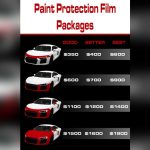
Partial coverage protects key areas like the hood, mirrors, and fenders. It costs less than full coverage, usually between $500 and $1,500. Full coverage wraps the entire car and costs $2,000 to $6,000, depending on the vehicle size.
Common price ranges depend on film quality and car size. High-end films can cost more but last longer. Budget films cost less but may yellow or peel sooner.
| Service | Typical Cost |
|---|---|
| Partial Coverage | $500 – $1,500 |
| Full Coverage | $2,000 – $6,000 |
| Removal of Old Film | $150 – $400 |
| Paint Correction | $200 – $1,000 |
| Warranty | Included or extra $100 – $300 |
Additional costs include paint correction to fix scratches before installation. Removing old film also costs extra. Warranties may add to the price but offer peace of mind.
Comparing Ppf With Other Options
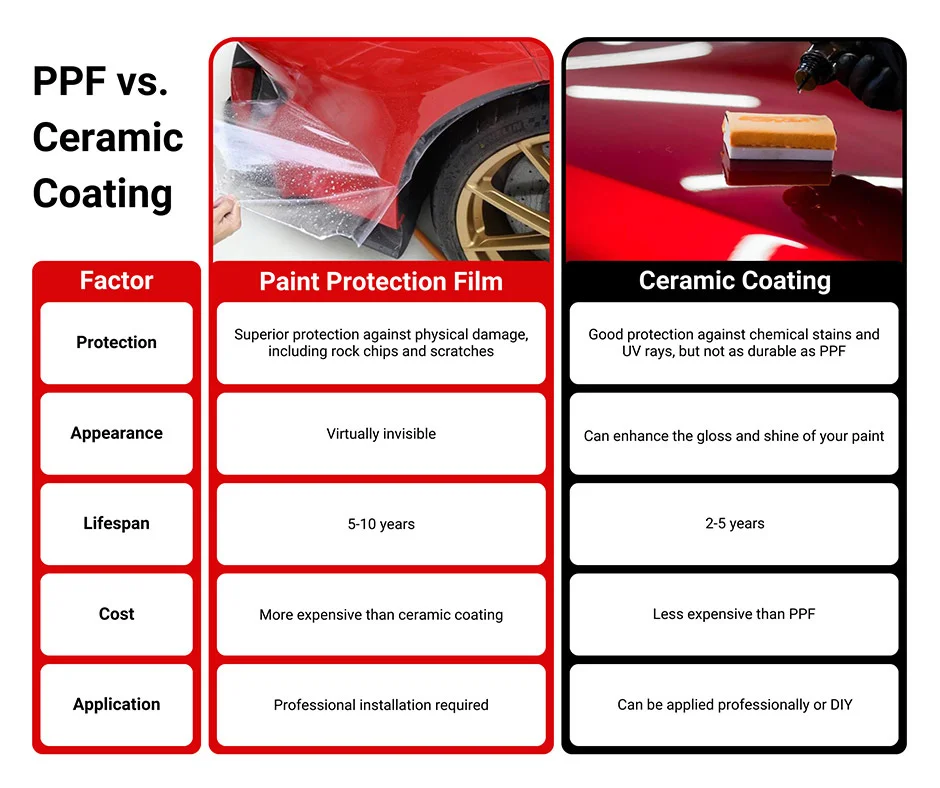
Paint Protection Film (PPF) offers strong defense against scratches and chips. It is a thick, clear layer applied directly to your car’s paint. Ceramic coating is a liquid that bonds with paint to add shine and some protection. While ceramic coating is cheaper, it does not stop rock chips like PPF.
Vinyl wraps change a car’s look and offer some protection. They are thinner than PPF and can peel or fade faster. PPF is more durable but costs more than vinyl wraps.
| Protection Type | Cost | Durability | Protection Level |
|---|---|---|---|
| Paint Protection Film | High | 5-10 years | Excellent (against scratches and chips) |
| Ceramic Coating | Medium | 2-5 years | Good (against dirt and minor scratches) |
| Vinyl Wrap | Low to Medium | 3-5 years | Fair (mainly cosmetic) |
Choosing the right option depends on your budget and how much protection you want. PPF costs more but lasts longer and protects better. Ceramic coating is cheaper but less protective. Vinyl wrap is mostly for style with some paint protection.
Installation Insights
DIY installation may save money but requires skill and patience. Small bubbles, wrinkles, or misalignment are common mistakes. Professionals have tools and experience for a smooth fit. They ensure perfect edges and avoid damage to your car’s paint.
Expect the installation to take several hours depending on car size. The surface must be cleaned thoroughly to avoid dust or dirt under the film. Professionals also use heat guns to shape the film to curves and corners.
Common mistakes include poor surface preparation, stretching the film too much, and leaving dust trapped inside. These errors can cause peeling or bubbling later. Choosing a professional helps reduce these risks and improves the film’s lifespan.
Maintenance And Longevity
Caring for your Paint Protection Film (PPF) helps it last longer and stay clear. Wash your car gently using mild soap and water. Avoid harsh chemicals and abrasive materials that can damage the film. Regularly inspect the film for dirt or debris and clean it promptly.
The typical lifespan of PPF ranges from 5 to 10 years depending on quality and care. High-quality films may last longer with proper maintenance. Sun exposure, weather, and driving conditions affect how long the film stays effective.
Signs you need replacement include yellowing, peeling, bubbling, or visible cracks. If the film loses its shine or gets scratched deeply, it might be time to replace it. Timely replacement helps protect your car’s paint and maintain its appearance.
Pros And Cons
Benefits of PPF include strong protection against scratches, rock chips, and UV damage. It keeps the car’s paint looking new for years. The film is clear and blends well with the paint. It also helps maintain the vehicle’s resale value by preventing damage. Installation is usually quick and does not harm the paint underneath.
Potential Drawbacks include the cost, which can be high depending on car size and film quality. Poor installation may cause bubbles or peeling. Some films may yellow over time if exposed to harsh sunlight. Repairs can be tricky and expensive. Not all surfaces or colors suit PPF equally well.
Avoiding Common Issues requires choosing a skilled installer with experience. Using high-quality film lowers the risk of yellowing and damage. Regular cleaning with mild soap and water keeps the film clear and intact. Avoid harsh chemicals or abrasive tools. Promptly fix any edges lifting to stop dirt build-up.
Finding Affordable Options
Finding affordable paint protection film (PPF) options requires comparing prices and services. Choose reliable providers in Austin with good reviews. Reliable shops offer quality work that lasts.
To lower costs, consider these tips:
- Pick partial coverage instead of full car wrap.
- Ask for discounts or package deals.
- Schedule installations during off-peak times.
- Compare multiple quotes from local shops.
- Choose clear films with proven durability but lower prices.
| Provider | Location | Starting Cost | Notes |
|---|---|---|---|
| Archer’s Mobile Detailing | Austin | $500 | Free estimate, mobile service |
| Huracán Nero Auto Spa | Austin | $700 | Professional installation |
| EZ Auto Spa | Austin | $650 | Various film options |
Evaluating quotes means checking what is included. Look for warranty, film type, and installation time. Ask about any hidden fees to avoid surprises.
Real User Experiences
Customers often share diverse experiences with paint protection film (PPF) costs. Many mention that prices vary based on car size, film quality, and installation method. Some report spending between $500 and $2,000 for full coverage.
Case studies show that professional installation usually leads to better results. DIY kits can be cheaper but may cause bubbles or peeling. A few users regret choosing lower-priced films due to yellowing or damage after a year.
Lessons learned suggest investing in trusted brands saves money long-term. A smooth installation reduces problems. Customers advise getting multiple quotes and asking about warranty details. Overall, careful research helps avoid costly mistakes.
Frequently Asked Questions
Is Paint Protection Film Worth The Money?
Paint protection film protects your car’s paint from scratches and chips, saving costly repairs. Its value depends on your budget and vehicle use.
How Long Does 3m Ppf Last?
3M PPF typically lasts 5 to 10 years with proper care. Its durability depends on installation quality and environmental exposure.
What Are The Disadvantages Of Paint Protection Film?
Paint protection film can yellow over time and may peel if poorly installed. It also adds cost and requires professional application.
Is It Cheaper To Wrap Or Ppf A Car?
Wrapping a car generally costs less upfront than paint protection film (PPF). PPF offers longer-lasting paint protection but at a higher price. Wrapping changes appearance and is cheaper; PPF preserves paint and costs more due to durable materials and complex installation.
Conclusion
Choosing paint protection film involves balancing cost and benefits. It helps guard your car’s paint from chips and scratches. Prices vary by coverage area, film quality, and installer experience. Investing in quality film and skilled installation saves money long term.
Consider your budget and vehicle use before deciding. Protecting your car’s finish can keep it looking newer longer. Weigh the upfront cost against potential repair savings. Paint protection film offers peace of mind for many drivers.
Read More
- Compare Comprehensive Car Cover: Ultimate Guide to Smart Protection
- Family Car Insurance Discount: Save Big with These Proven Tips
- Low Mileage Auto Insurance Rates: Save Big with Smart Discounts
- Roadside Assistance Insurance Plans: Essential Coverage for Peace of Mind
- Affordable Vehicle Insurance Quotes: Save Big with Top Tips Today
- Wheel And Tire Protection Plan: Ultimate Coverage for Peace of Mind
- Windshield Protection Insurance: Ultimate Guide to Save & Secure
- Vehicle Theft Protection Coverage: Ultimate Guide to Secure Your Car
- Powertrain Warranty Coverage: Ultimate Protection for Your Vehicle
- Certified Used Car Warranty: Ultimate Protection for Peace of Mind